
FCC Clears SpaceX to Launch Up to 1 Million Orbital AI Data Centers: What the Starmind Approval Actually Allows
The FCC has authorized SpaceX to deploy up to 1 million Starmind orbital data center satellites, setting strict milestones through 2040.
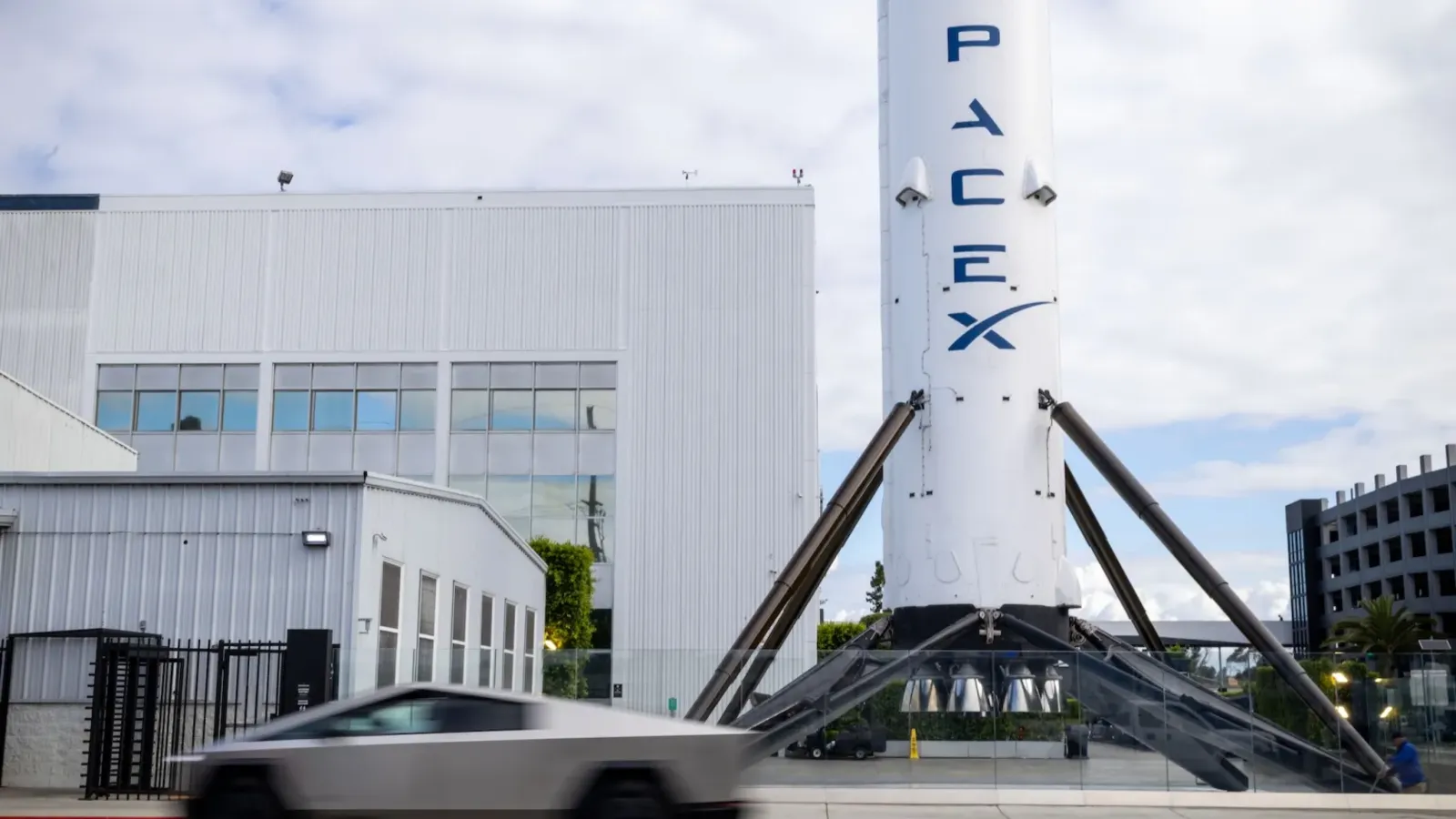
US telecommunications regulators have handed SpaceX the nation's first federal license to build an orbital computing network, authorizing up to 1 million solar-powered data center satellites in low Earth orbit.
Issued by the Federal Communications Commission (FCC) Space Bureau on November 25, 2026, Order DA 26-1273 clears SpaceX's proposed Starmind system to operate at altitudes between 500 and 1,002 kilometers. The ruling overrides formal objections from Amazon, Viasat, and the American Astronomical Society, all of whom raised concerns over orbital debris and radio interference.
What the FCC Actually Approved
Despite the headline-grabbing 1 million satellite ceiling, the FCC's grant is conditional rather than a blank check. Under the authorization, Starmind spacecraft will rely primarily on optical laser links to transmit high-volume AI data, while using Ka-band radio frequencies (18.8–19.3 GHz downlink and 28.6–29.1 GHz uplink) strictly for backup and emergency telemetry, tracking, and command.
Regulators also split the application, granting operations below 600 kilometers while deferring SpaceX's plan to send end-of-life satellites above 600 kilometers into heliocentric or graveyard orbits. SpaceX must submit a separate modification filing proving its high-altitude disposal methods meet federal orbital debris rules before deploying spacecraft into those upper shells.
Why SpaceX Wants AI Compute in Orbit
Terrestrial AI expansion across the United States has collided with power grid bottlenecks, water cooling constraints, and local zoning pushback. During the November 2026 midterm elections, voters in several US jurisdictions approved local measures restricting new data center construction over noise and utility rate concerns.
SpaceX's engineering pitch bypasses municipal utilities entirely:
- Continuous Solar Generation: Positioning satellites in sun-synchronous orbits keeps solar arrays aligned with sunlight, eliminating fossil-fuel backup generators and local grid strain.
- Radiative Cooling: Because space lacks air or water, Starmind satellites use fluid loops connected to large radiator panels that shed chip heat directly as infrared radiation.
- In-House Manufacturing and Launch: SpaceX plans to build Starmind units at its facility in Bastrop, Texas, and deploy them in batches using Starship-Super Heavy rockets from Starbase.
Deployment Deadlines and Real-World Timeline
For enterprise cloud buyers and AI developers, orbital compute will not relieve near-term GPU shortages. In earlier initial public offering filings, SpaceX indicated it aims to begin deploying early orbital compute satellites around 2028, with initial units expected to carry next-generation Nvidia Rubin GPUs and Vera CPUs.
To prevent spectrum and orbital warehousing, the FCC attached mandatory build-out milestones:
- November 25, 2033: Deploy and operate at least one authorized Starmind satellite.
- November 25, 2035: Reach 10% of the authorized ceiling (100,000 satellites).
- November 25, 2038: Reach 50% deployment (500,000 satellites).
- November 25, 2040: Complete the full authorized constellation.
If SpaceX misses any benchmark, the license automatically becomes null and void.
How Competitors Stack Up
SpaceX is not alone in testing space-based AI hardware, though it holds the largest regulatory footprint to date. Google launched a four-TPU prototype under Project Suncatcher in October 2026, and startup Starcloud placed an Nvidia H100 test payload into orbit in late 2025. For now, industry analysts expect almost all commercial AI infrastructure investment to remain on Earth through the end of the decade while thermal management, radiation hardening, and launch economics are proven at scale.