
Nvidia Freezes AI Server Deliveries Across Southeast Asia: What US Export Rules Mean for Global Cloud Capacity
Server makers including Dell and Supermicro have halted Nvidia-powered shipments to Malaysia, Singapore, Thailand, and Indonesia under newly enforced US licensing mandates.
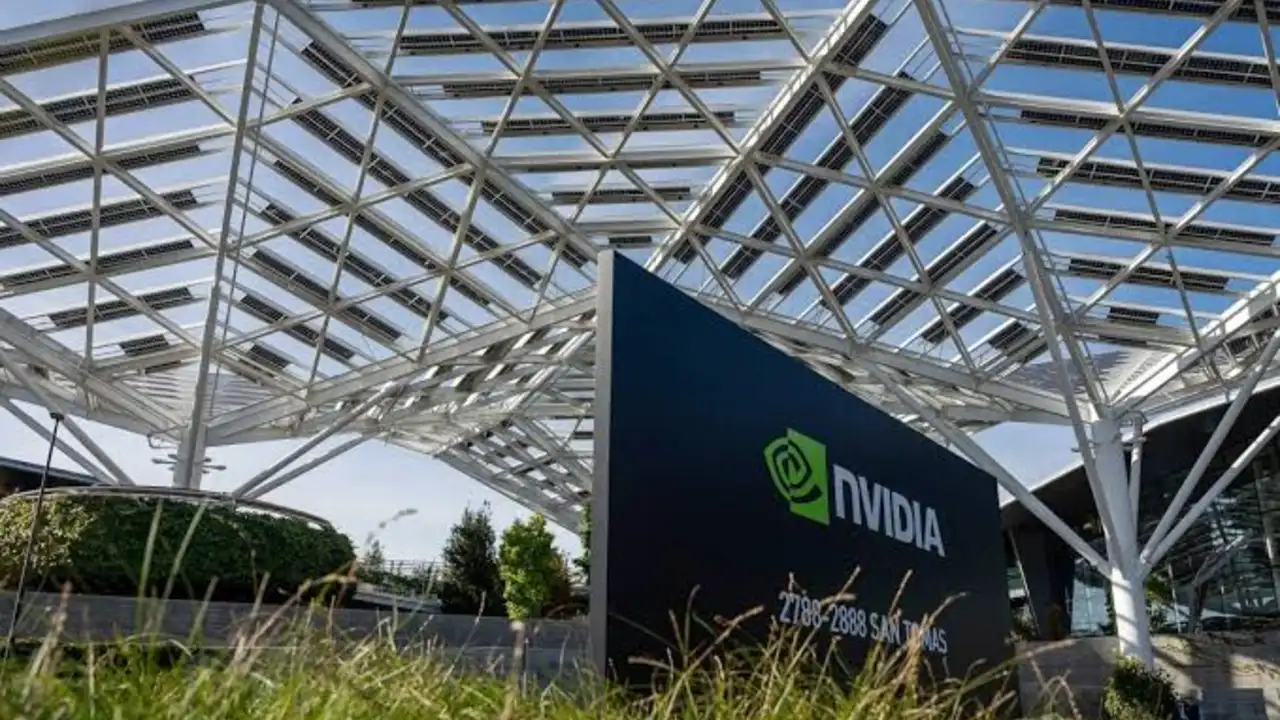
Enterprise cloud buyers and data center operators across Asia are facing an immediate hardware bottleneck after Nvidia instructed its manufacturing partners to pause AI server shipments to Malaysia, Singapore, Thailand, and Indonesia.
According to reporting from the Financial Times and Reuters, major server builders including Dell and Supermicro—companies that assemble Nvidia processors into enterprise-grade racks—notified buyers in all four countries that orders cannot move forward. Neither Nvidia nor its hardware partners have issued public statements confirming how long the suspension will last.
Why US Export Rules Triggered the Freeze
The shipping pause follows strict new export controls rolled out by the US Department of Commerce. Under the updated rules, companies must secure federal export licenses before sending advanced AI semiconductors to Malaysia, Singapore, Thailand, Indonesia, and Brazil, though qualifying US-based firms remain eligible for exemptions.
Washington designed the measure to close a major cloud computing loophole. While direct sales of top-tier Nvidia processors to China have long been restricted, Chinese AI developers have increasingly leased remote computing power from data centers built across Southeast Asia.
Under the new Commerce Department framework, Asian cloud providers face a 90-day deadline to prove their computing clusters are not serving restricted entities.
Leadership Turmoil and Regulatory Scrutiny
The policy crackdown arrives amid intense Washington scrutiny over Nvidia's regional oversight. Days before the Commerce Department published the rule, Nvidia CEO Jensen Huang briefly stepped down following reports of an affair with a former executive at Singapore-based cloud firm Megaspeed, an Nvidia partner under scrutiny over suspected diversion of AI chips to China.
Nvidia's board reinstated Huang as CEO on November 23, 2026, yet compliance pressure on the chipmaker's supply chain has only accelerated. Pausing deliveries allows Nvidia, Dell, and Supermicro to audit end-customer declarations before risking federal export violations.
What This Means for Global Cloud Buyers and Investors
For US and international businesses relying on Asian cloud regions for AI model training or inference, the freeze introduces immediate capacity and pricing risks:
- Delayed Data Center Rollouts: Malaysia and Singapore have attracted billions of dollars in hyperscale data center commitments over the past two years. Without cleared server deliveries, scheduled cluster launches face multi-month delays.
- Tightening Project Financing: Lenders are already pulling back from exposed infrastructure deals. Reports indicate bankers have halted roughly $500 million in planned credit for a regional data center project linked to ByteDance following the export freeze.
- Higher Compliance Costs for SaaS and Cloud Vendors: Cloud operators leasing GPU clusters will need strict Know-Your-Customer (KYC) verification to prove end-users are compliant with US export law, adding legal overhead that often passes through to compute rental rates.
What Happens Next
Industry observers note that the suspension could prove temporary once Nvidia and server manufacturers establish licensing workflows that satisfy Commerce Department auditors. Until those clearances are approved, enterprise buyers expanding AI workloads in Southeast Asia face stalled hardware queues and tighter scrutiny over who ultimately accesses their compute.